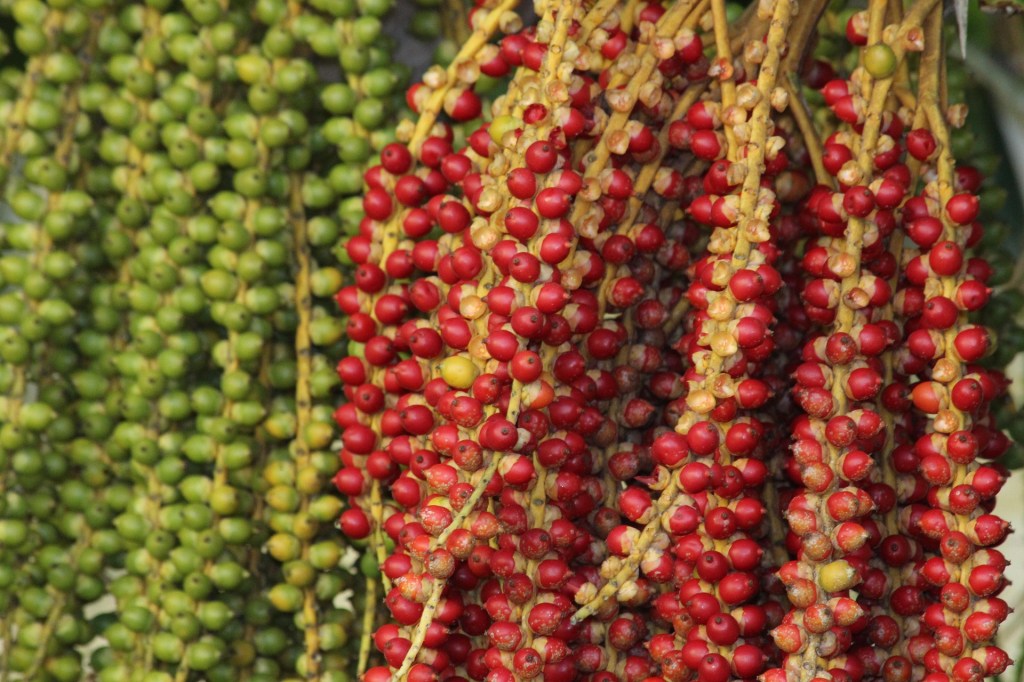
In 2013, our wine brand made a small decision – that we plant a tree for every shipping case sold. At the time, it was a modest gesture toward sustainability, to counterbalance commerce. We didn’t release projections about scale but what we did was build a system to count how many trees we’ve planted and measure their long-term impact – no matter how small.
But time, and consistency, have a way of turning intent into data.
Over the next twelve years, as transactions accumulated across markets and seasons, this parallel record grew and today, the trees we planted already produced 449.2 metric tons of oxygen, are currently servicing pollination within an estimated 300 hectare radius, and have absorbed an approximate 44 metric tons of carbon dioxide.
Each case sold corresponded to a tree planted. Each tree, over time, contributed to carbon absorption, oxygen production, and localised environmental recovery.
Conservative estimates now suggest that this tiny gesture has contributed to a measurable environmental impact. And the effects are still compounding as these trees have a projected lifespan of 50 years.
The operations systems that tracked transactions – dates, locations, product categories, purchasing patterns – were never designed with sustainability at the forefront.
We, of course, knew that our grape juice purchases would rely on our climate tracking of wine regions so it can tell us which varietal to buy and from where. But our climate impact is something that I did not anticipate until a few days ago when we ran the numbers.
When viewed longitudinally, our records began to form a layered story of human behaviour, seasons, and hundreds of seedlings that came from two mother trees.
For many organisations, this kind of data is interesting, especially those working at the intersection of artificial intelligence, climate modeling, behavioural analytics, and sustainability intelligence. But to us, it’s the story of oxygen, wine production, gifts, love, and celebrations.
We have always ensured data privacy and anonymity in our records but time and numbers reveal so much – from a bottle of wine as a gift purchased on the same day each year for several years to several cases of wine for a wedding.
We remember custom labels and we remember your excitement when you explained that you couldn’t drink for 9 months because you are finally pregnant. Our data also recorded your joy when you welcomed your first child and you finally getting wine again for the dinner party – not for yourself because you had to breastfeed, but for the godmothers and godfathers who would later buy from us too.
Despite my rather emotional response to these numbers, I must now address the business side of things.
We are now beginning to open select conversations with AI companies and research teams interested in accessing this dataset for modeling, training, and strategic applications.
Discreet and serious inquiries regarding licensing or acquisition may be directed privately. Inquiries driven by curiosity will be parked in the meantime. I apologise in advance but much like this multi-layered dataset, I have work, wine, and loved ones to attend to. Thank you and have a good day.
 SIGRID SALUCOP
Leave a comment